Showing posts with label healthy. Show all posts

Friday, May 20, 2016

Hypothyroidism diet


Last Wednesday a patient went to the State Cancer Institute, she had a diagnosis of Birads IV and hypothyroidism. So I had to review the recommendations for patients with hypothyroidism again.

It is important to say that there is no same diet for each patient, even though they have the same condition characteristics are different.

The general recommendations are:
  • Eating foods rich in fiber: They help control weight and reduce insulin levels, which are altered in patients.
  • Eating foods rich in selenium: They help in hormonal control.
  • Eating foods rich in iodine: They help in hormonal control and the proper functioning of the thyroid.
You should avoid certain foods known as goitrogens. These foods interfere with the absorption of iodine and thyroid function.

Friday, May 13, 2016

 Nutritional deficiencies


These weeks I have been studying for my exam, which I consider important to emphasize the role of vitamins and minerals in nutrition.

Nutritional deficiencies are the result of your body not getting enough of the nutrients it needs, mainly those from fruits and vegetables (they're rich in vitamins, minerals, fiber and water that are important for development and preventing disease).

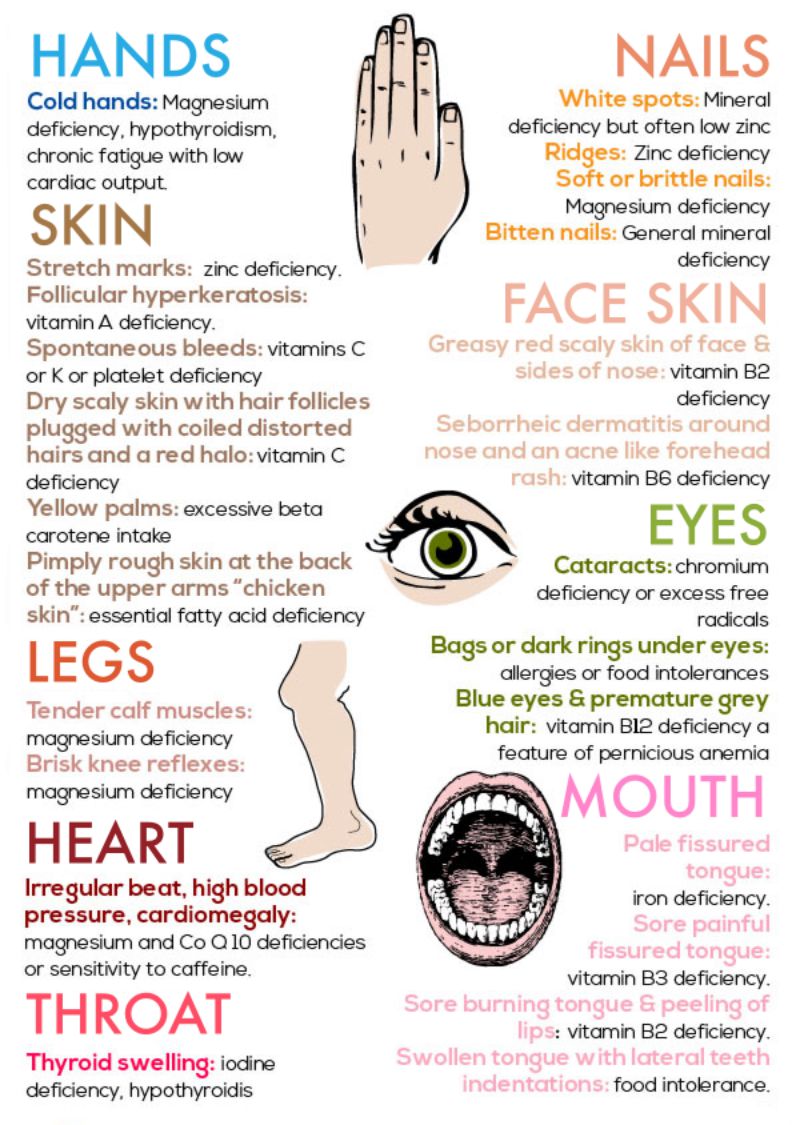
The lack of these nutrients our body manifests different signs and symptoms like problems of digestion, skin problems, damage to major organs and even neurological problems, that make our body doesn't look good. Children are more at risk for complications than adults.

The picture shows the damage that can cause deficiencies of vitamins and minerals in our body:


You can prevent nutritional deficiencies by making sure you get enough nutrients from your diet. Always remember that your plate of food should look like the image:

Monday, April 18, 2016

Probiotic yoghurt vs. Common yoghurt


These days I read some articles that talk about the benefits of yoghurt. The probiotic yoghurt is any yoghurt with live active bacteria (they're of various types like Lactobacillus or Bifidobacterium, which are considered beneficial to the body), which means that the more natural yoghurt is a probiotic food. All yoghurts contain a certain amount of bacteria, yoghurts sold as "probiotic yogurt" contain higher amounts of beneficial bacteria (It's because some companies select some bacteria that are more likely to survive digestion).


These bacteria have been shown to reduce the effects of some gastrointestinal problems, prevent colon cancer and can reduce lactose intolerance. In addition,  it's a natural immune system booster, so it's very common drink them to improve overall health and prevent certain diseases.

However, the yoghurt in some people can cause side effects such as gas, bloating and over-stimulation of the immune system.

The medical and scientific community mentions that products labeled as probiotic yogurt aren't necessarily better. So, you can select the yoghurt that you have on hand, but taking care that it doesn't have high levels of sweeteners such as high fructose corn syrup or sugar.

Monday, April 04, 2016

Workshop: "El plato del bien comer"


This month my colleagues and I are organizing a workshop for hospitalized children and their parents to learn should be your dish as breakfast, lunch and dinner, in addition they can classify foods and so they see which are the healthiest options for them.

We got some food replicas that are sold in the supermarket for children and collect the boxes of some products such as biscuits, jelly, cereal and milk to make the dish didactically and so patients and their parents understand better.


In addition to the plate, we will make other material in which patients can classify fats and sugars and they realize that certain products aren't suitable to consume them.


The workshop starts this week, we hope to be successful and that people take something home to put it into practice.

Thursday, March 31, 2016

Gastric cancer


This week I attended a patient with gastric cancer for the first time, so I had to research the topic to learn more.

Stomach (gastric) cancer is a cancer that starts in the stomach. Therefore, they are patients who need  nutritional care since your digestive system is compromised. The main causes or risk factors of this cancer are:


The condition that usually is associated with gastric cancer is the Dumping Syndrome, which is generated because food come faster and fill the intestine, causing inflammation and abdominal pain, diarrhea, sweating and palpitations in the patient.

The nutritional therapy consists of:
  • Consume only small amounts of simple carbohydrates (2 teaspoons) at each meal.
  • Increase consumption of protein and fats to prevent weight loss and gastric emptying.
  • Don't drink liquids with meals, consume only 30 - 60 minutes before or after.
  • Eat every 2 - 3 hours, eat slowly!
  • Keep regular mealtimes.
  • Avoid extreme temperatures of food.

Friday, March 25, 2016

Exercise


In this vacations, all people expect to have a good body to go to the beach, and for this is necessary that you have a good nutrition and make a good exercise routine with dedication and discipline to tone the body.


Don't overdo it, because the body needs to take a break to recover, grow and toning. Our muscles need rest, because if they can enter a phase of overtraining, and we burned the muscle instead of growing.

So you should take a break from 48 to 72 hours between each area that you train. This means that one day train shoulder and back, the next day you train chest and arm, the third day you train leg, and the fourth day you can start again with shoulder and back and so on.


Remember that you shouldn't miss more than 72 hours without training one area of your body because it is like starting again.

Friday, March 11, 2016

Talking about 'thrombocytopenia'

On Tuesday some of my colleagues in the social service provided an exposition to parents of hospitalized pediatric patients at The State Institute of Oncology about thrombocytopenia.

It's any disorder in which there is a low amount of platelets (they're parts of the blood that help blood to clot). Which is a very common condition in patients with cancer, because it's a side effect of medications or treatments like chemotherapy. So they're patients who need special care in their nutrition to prevent bleeding and increase the number of platelets.

In the exhibition my colleagues showed nutritional recommendations and examples of foods to increase platelets.
The image shows some examples of foods. In addition, you should eat whole grains, meat and eggs.

But I also found that there are some foods that avoid clotting and therefore shouldn't be eaten, such as omega 3 (you can find it in fish and seeds. It generates decrease the connection between platelets), garlic (it improves blood flow which avoids that platelets forming clots), onion (it contains quercetin, which destroys free radicals in the body, but inhibits platelet production), ginger (it improves blood flow), kiwi (it improves blood flow, too) and milk.

Wednesday, February 24, 2016

Palliative Care


This week I attended the session of "palliative care" it takes place every Wednesday at the State Institute of Oncology. Today's topic was management of pain in patients according to WHO. I learned about the different scales that exist for classifying the pain and what are the drugs that you can use in each of the levels of pain.

This is one of the scales of pain, it is known as Visual Analog Scale (VAS):


The drug used for pain management will be according to how the patient is classified on the scale. For this, there is the WHO's Pain Ladder for adults:


The information was given to the staff of the institution is very important because all cancer patients have pain. It is necessary that we know how to manage pain or even to report it to a doctor. So we will be helping to improve the quality of life for patients with cancer. It is useful for people, we don't criticize the famous paracetamol, because it is a first-line drug for pain relief with low cost.

Wednesday, February 10, 2016

Making a healthy cookbook...

This week I had to search at different websites and writing a kind of cookbook about healthy drinks for the children and adults of the State Institute of Oncology (here is where I am doing my social service for one year)because we always give them industrialized juices for breakfast and dinner. In addition, these kind of juices are unhealthy for the patients.


When I was doing my cookbook I learned how to make some drinks (such as flavored waters) and juices that provide a lot of vitamins and minerals. 

I think that I can make and drink these beverages everyday by its content and the cost. For example, one recipe is a kind of apple soda (kids love apple sodas, at least my nephew says YES!), so you have to liquefy 1 big apple, 6 guavas, 1 teaspoon of honey and 1/2 cup of mineral water. It has the effervescent effect of soda, also it provides fiber, iron, calcium, carotene and vitamins A, B and C, useful in children with cancer that mostly have malnutrition.


P.S. Today is my best friend's birthday (: