Showing posts with label diet. Show all posts

Friday, May 27, 2016

A complicated patient


Today at the State Cancer Institute became a a young patient (28 years old) diagnosed with testicular cancer and metastases in the central nervous system. 

The patient is undergoing chemotherapy and being evaluated by a doctor for radiotherapy, also he presented cachexia and weakness on the right side of the body, so it couldn't move or walk.

Therefore, we applied a medical history and nutritional value to determine his energy needs. We consider a nutritional support for the patient, because in this stage of the disease, he need a comfort diet more than a strict food plan.

We put on the patient diet plan foods that he likes and care that food consistencies were soft to avoid fatigue, in addition we recommended a protein module to prevent loss of strength and muscle mass.

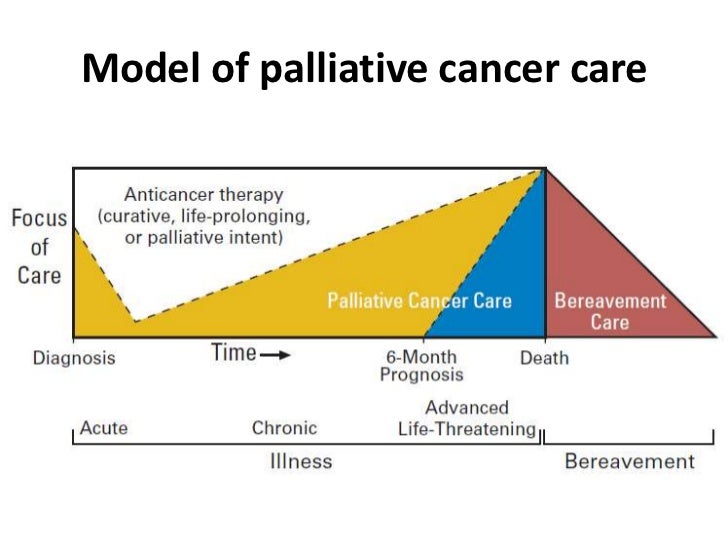
I think it was a good decision because we're applying the principles of palliative care (palliative care is care given to improve the quality of life of patients who have a serious disease), which should start from the moment that the patient gets into the health unit (at any age and stage of disease) and not when he or she is in the final stage of the disease.

Also remember that palliative care should be provided by a specialized team of doctors, nurses, nutritionists, psychologists, social workers and other specialists.

"Palliative care is given throughout a patient’s experience with cancer. It should begin at diagnosis and continue through treatment, follow-up care, and the end of life."

Friday, May 20, 2016

Hypothyroidism diet


Last Wednesday a patient went to the State Cancer Institute, she had a diagnosis of Birads IV and hypothyroidism. So I had to review the recommendations for patients with hypothyroidism again.

It is important to say that there is no same diet for each patient, even though they have the same condition characteristics are different.

The general recommendations are:
  • Eating foods rich in fiber: They help control weight and reduce insulin levels, which are altered in patients.
  • Eating foods rich in selenium: They help in hormonal control.
  • Eating foods rich in iodine: They help in hormonal control and the proper functioning of the thyroid.
You should avoid certain foods known as goitrogens. These foods interfere with the absorption of iodine and thyroid function.

Friday, March 11, 2016

Talking about 'thrombocytopenia'

On Tuesday some of my colleagues in the social service provided an exposition to parents of hospitalized pediatric patients at The State Institute of Oncology about thrombocytopenia.

It's any disorder in which there is a low amount of platelets (they're parts of the blood that help blood to clot). Which is a very common condition in patients with cancer, because it's a side effect of medications or treatments like chemotherapy. So they're patients who need special care in their nutrition to prevent bleeding and increase the number of platelets.

In the exhibition my colleagues showed nutritional recommendations and examples of foods to increase platelets.
The image shows some examples of foods. In addition, you should eat whole grains, meat and eggs.

But I also found that there are some foods that avoid clotting and therefore shouldn't be eaten, such as omega 3 (you can find it in fish and seeds. It generates decrease the connection between platelets), garlic (it improves blood flow which avoids that platelets forming clots), onion (it contains quercetin, which destroys free radicals in the body, but inhibits platelet production), ginger (it improves blood flow), kiwi (it improves blood flow, too) and milk.

Tuesday, February 16, 2016

A difficult patient


Today arrived at the office the most difficult and clueless oncology patient that I ever seen. First, in the service of nutrition we used the method called the "pesitos" to explain the portions of food to patients. 

This patient has breast cancer and she is receiving chemotherapy. She has had several symptoms associated with her treatment, such as nausea, vomiting, diarrhea and weakness, in addition she is obese (which can increase the symptoms). From the beginning she didn't understand the method but she didn't tell us the situation. So, she was doing a different, monotonous and low-calorie diet compared to her real diet. The patient's diet even decreased important biochemical parameters.

Even though we try to explain the "pesitos" but she began to despair, anger and shout "I do not understand anything". So we try to calm and explain as 8 times the same and then we ended up explaining to her with drawings.

The moral is "I need a lot of patience and know how to draw for this kind of patients".