Friday, May 27, 2016

A complicated patient


Today at the State Cancer Institute became a a young patient (28 years old) diagnosed with testicular cancer and metastases in the central nervous system. 

The patient is undergoing chemotherapy and being evaluated by a doctor for radiotherapy, also he presented cachexia and weakness on the right side of the body, so it couldn't move or walk.

Therefore, we applied a medical history and nutritional value to determine his energy needs. We consider a nutritional support for the patient, because in this stage of the disease, he need a comfort diet more than a strict food plan.

We put on the patient diet plan foods that he likes and care that food consistencies were soft to avoid fatigue, in addition we recommended a protein module to prevent loss of strength and muscle mass.

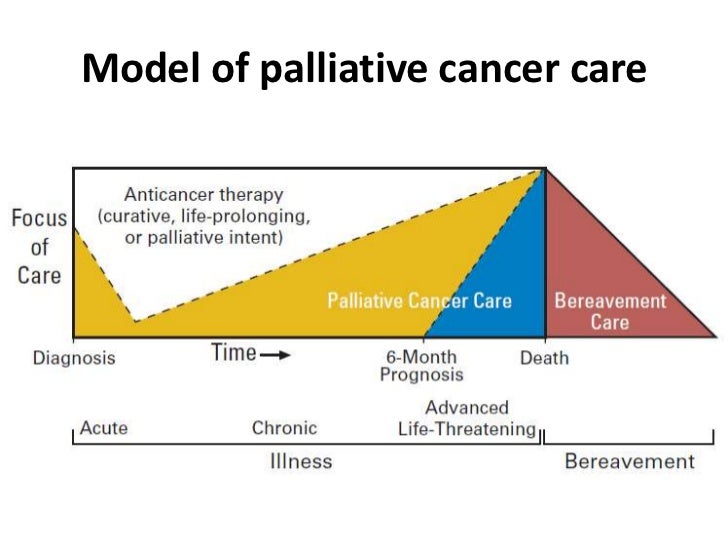
I think it was a good decision because we're applying the principles of palliative care (palliative care is care given to improve the quality of life of patients who have a serious disease), which should start from the moment that the patient gets into the health unit (at any age and stage of disease) and not when he or she is in the final stage of the disease.

Also remember that palliative care should be provided by a specialized team of doctors, nurses, nutritionists, psychologists, social workers and other specialists.

"Palliative care is given throughout a patient’s experience with cancer. It should begin at diagnosis and continue through treatment, follow-up care, and the end of life."

Friday, May 20, 2016

Hypothyroidism diet


Last Wednesday a patient went to the State Cancer Institute, she had a diagnosis of Birads IV and hypothyroidism. So I had to review the recommendations for patients with hypothyroidism again.

It is important to say that there is no same diet for each patient, even though they have the same condition characteristics are different.

The general recommendations are:
  • Eating foods rich in fiber: They help control weight and reduce insulin levels, which are altered in patients.
  • Eating foods rich in selenium: They help in hormonal control.
  • Eating foods rich in iodine: They help in hormonal control and the proper functioning of the thyroid.
You should avoid certain foods known as goitrogens. These foods interfere with the absorption of iodine and thyroid function.

Friday, May 13, 2016

 Nutritional deficiencies


These weeks I have been studying for my exam, which I consider important to emphasize the role of vitamins and minerals in nutrition.

Nutritional deficiencies are the result of your body not getting enough of the nutrients it needs, mainly those from fruits and vegetables (they're rich in vitamins, minerals, fiber and water that are important for development and preventing disease).

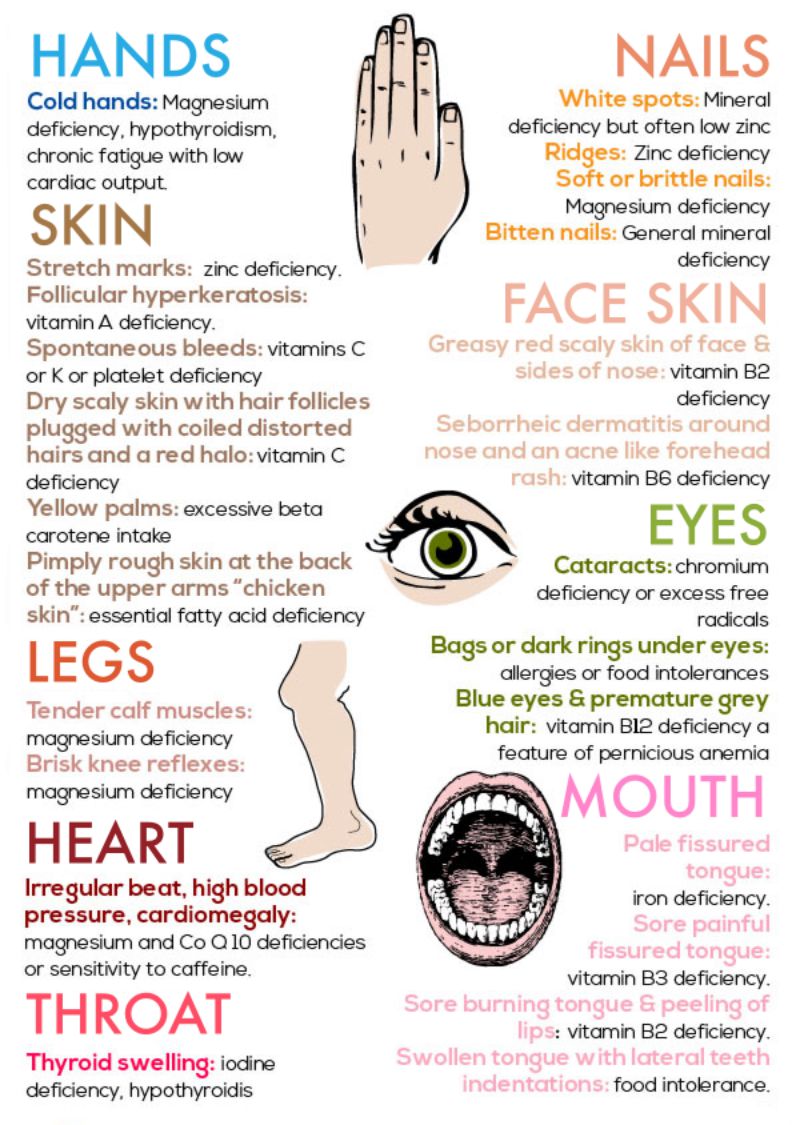
The lack of these nutrients our body manifests different signs and symptoms like problems of digestion, skin problems, damage to major organs and even neurological problems, that make our body doesn't look good. Children are more at risk for complications than adults.

The picture shows the damage that can cause deficiencies of vitamins and minerals in our body:


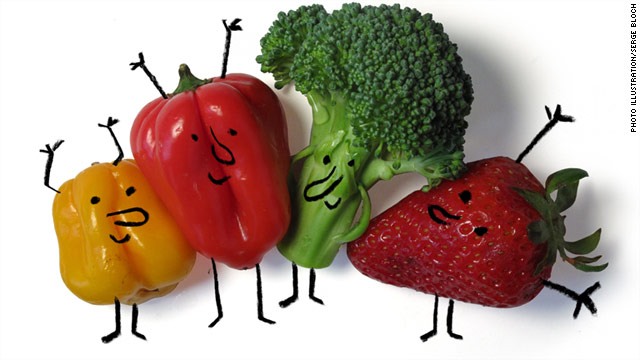
You can prevent nutritional deficiencies by making sure you get enough nutrients from your diet. Always remember that your plate of food should look like the image:

Thursday, May 05, 2016

Enteral Nutrition


I had the opportunity to attend the 2nd. Congress of Clinical Gastronomy and Nutrition, there was a conference about some features that have been updated within nutrition, especially enteral nutrition.

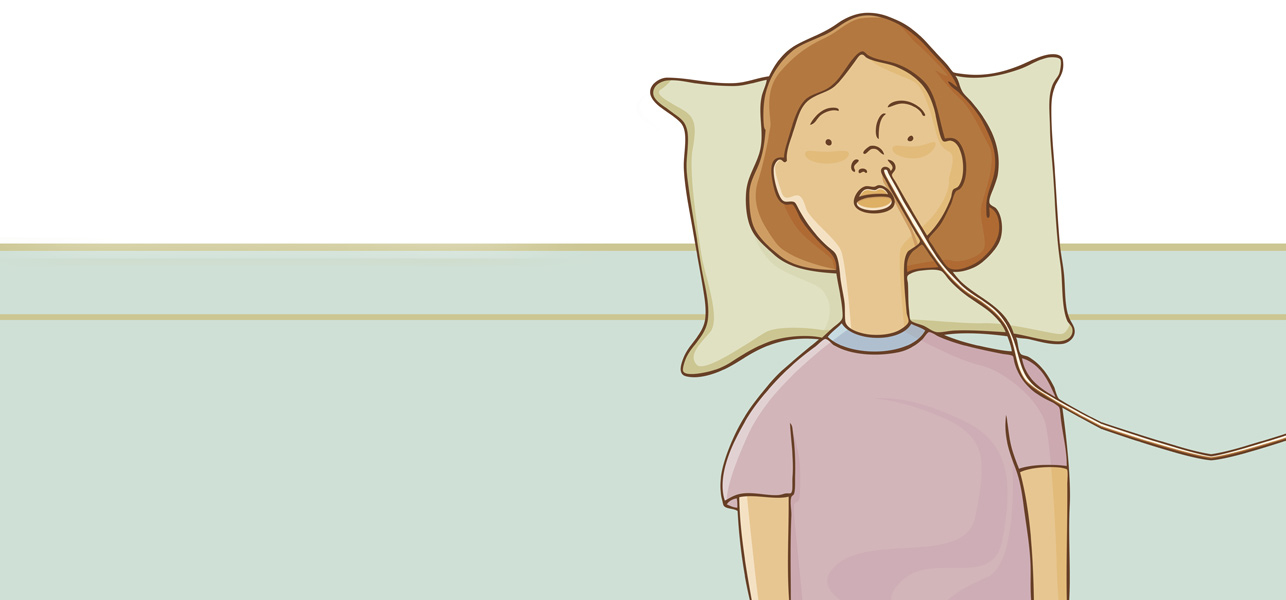
First of all, it's important to define what is enteral nutrition?. Enteral nutrition or tube feeding refers to the delivery of a nutritionally complete feed (with food that contains protein, carbohydrate, fat, water, minerals and vitamins according to patient needs) directly into your stomach or small intestine.

Enteral nutrition can be given through different types of tubes. You can use different connections, devices and other materials. The main problem is that these tubes and materials could be mistaken for medical use, causing infections and health problems in the patient. So in the congress it mentioned that the new material for enteral nutrition will be in accordance with an international color code. The violet color should be used to avoid confusion in the hospital. I think this is a great initiative that gives nutrition the attention it truly deserves in the treatment of patients.

Friday, April 29, 2016

Intrathecal Chemotherapy


On Thursday at The State Institute of Cancer took place the application of intrathecal chemotherapy in 3 girls of 2, 4 and 17 years old. They suffer from acute lymphoblastic leukemia.

Intrathecal chemotherapy is used to treat cancers that have reached the central nervous system, such as leukemia and lymphoma. This treatment must be used because chemotherapy drugs don't pass through the blood-brain barrier and some cancer cells spread through the area.

There are 2 ways to make intrathecal chemotherapy. One way is to inject the drugs into the Ommaya reservoir (for which a device is implanted by surgery). The other way is to inject the drugs into the bottom of the spine.


In girls, anesthesiologist first had to administer general anesthesia and then the oncology pediatrician did antisepsis of the area where she will puncture, after that she inserted a long needle into the lumbar area of the child and waited to begin a clear liquid out of the needle. She took a small sample of the fluid and finally in the same needle injected a drug.

Monday, April 18, 2016

Probiotic yoghurt vs. Common yoghurt


These days I read some articles that talk about the benefits of yoghurt. The probiotic yoghurt is any yoghurt with live active bacteria (they're of various types like Lactobacillus or Bifidobacterium, which are considered beneficial to the body), which means that the more natural yoghurt is a probiotic food. All yoghurts contain a certain amount of bacteria, yoghurts sold as "probiotic yogurt" contain higher amounts of beneficial bacteria (It's because some companies select some bacteria that are more likely to survive digestion).


These bacteria have been shown to reduce the effects of some gastrointestinal problems, prevent colon cancer and can reduce lactose intolerance. In addition,  it's a natural immune system booster, so it's very common drink them to improve overall health and prevent certain diseases.

However, the yoghurt in some people can cause side effects such as gas, bloating and over-stimulation of the immune system.

The medical and scientific community mentions that products labeled as probiotic yogurt aren't necessarily better. So, you can select the yoghurt that you have on hand, but taking care that it doesn't have high levels of sweeteners such as high fructose corn syrup or sugar.