Showing posts with label radiotherapy. Show all posts

Wednesday, June 01, 2016

Refresher Course: Nutritional Imbalance in Cancer Patients



On Monday and Tuesday was held at the State Cancer Institute, the first refresher course 'Nutritional Imbalance in Cancer Patients', which was full of very interesting lectures.

The course consisted of various topics, such as:
  • Feeding tubes.
  • Care and handling of the feeding tubes.
  • Chemotherapy toxicity.
  • Nutrition in children with stress.
  • Toxicity of drugs in the pediatric area.
  • Radiation toxicity.
  • Immunonutrition in cancer patients.
  • Oncological surgery and nutritional risk.
  • Assessment of nutritional status in cancer patients.
For me the course was incredible, I liked all the topics, but the one that caught my attention was Immunonutrition.


This conference speaks of the use of various nutrients that can improve the health of patients with cancer and was also motivational for the area of nutrition. These nutrients include:
  • Glutamine: It's the preferred energy substrate for cells with high proliferative capacity, such as intestinal epithelial cells, the immune system, the renal tubule and erythrocytes. Which they're damaged by chemotherapy and radiotherapy.
  • Arginine: It has cytotoxic effects (expels various pathogenic microorganisms), and cytostatic (inhibit the growth of microorganisms). And generates nitric oxide also has tumoricidal function may eliminate tumor cells.
  • Omega 3: It has an anti-inflammatory effect and stimulates the immune system function.
  • Probiotics: They favor the formation of intestinal microbiota and is a trophic stimulation of gastrointestinal mucosa.
The immunonutrients are added to a complete diet, and depending on the patient can be supplied enteral, parenteral or oral.

Friday, May 27, 2016

A complicated patient


Today at the State Cancer Institute became a a young patient (28 years old) diagnosed with testicular cancer and metastases in the central nervous system. 

The patient is undergoing chemotherapy and being evaluated by a doctor for radiotherapy, also he presented cachexia and weakness on the right side of the body, so it couldn't move or walk.

Therefore, we applied a medical history and nutritional value to determine his energy needs. We consider a nutritional support for the patient, because in this stage of the disease, he need a comfort diet more than a strict food plan.

We put on the patient diet plan foods that he likes and care that food consistencies were soft to avoid fatigue, in addition we recommended a protein module to prevent loss of strength and muscle mass.

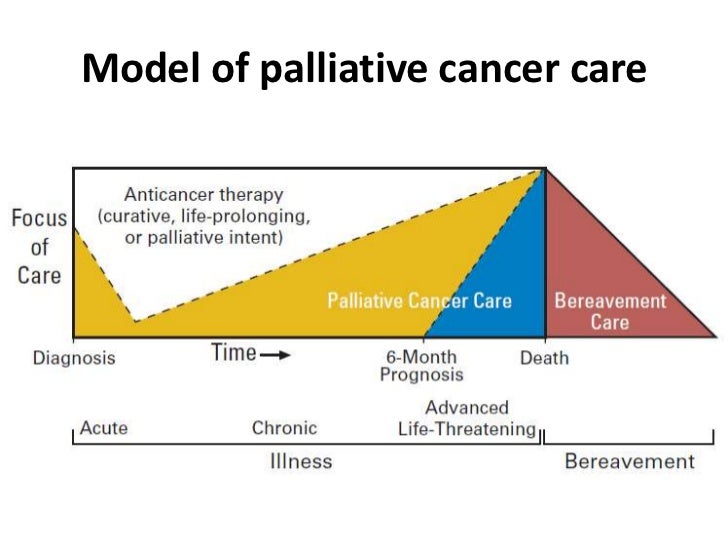
I think it was a good decision because we're applying the principles of palliative care (palliative care is care given to improve the quality of life of patients who have a serious disease), which should start from the moment that the patient gets into the health unit (at any age and stage of disease) and not when he or she is in the final stage of the disease.

Also remember that palliative care should be provided by a specialized team of doctors, nurses, nutritionists, psychologists, social workers and other specialists.

"Palliative care is given throughout a patient’s experience with cancer. It should begin at diagnosis and continue through treatment, follow-up care, and the end of life."

Thursday, April 14, 2016

Milk consumption and cancer


During this week I searched articles related to milk consumption in patients with cancer. I think that "milk" is a very controversial topic because there are articles that mention that milk is a food that prevents cancer and a rich source of energy, protein, calcium and vitamin D, which are essential nutrients for patients who already have cancer, other articles say that milk shouldn't be consumed because it generates metastasis, increases symptoms and can cause disease recurrence.

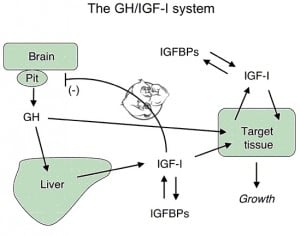
The main problem is that we now live in a highly industrialized world where cows are injected with hormones to increase milk production. Companies are using recombinant growth hormones in cows. This hormone can increase milk production by 20%. According to WHO, the injection of this hormone increases the concentration of IGF-1 (insulin-like growth factor-1) in milk.

IGF-1 causes the cells divide and reproduce, but doesn't distinguish cancer cells from healthy cells. 


According to information, I would recommend consumption of organic milk to get all the nutrients that milk provides, but this type of milk isn't processed hygienically and the body of the patient with cancer is susceptible to disease, so it's better to wait during the treatment (surgery, chemotherapy or radiotherapy) of the disease without milk and choose coconut, soy, almond or rice milk and long after you can consume organic milk.

Several options to replace cow's milk.